

In the health, social care, and education sectors, stress is often treated as an inevitable part of the job. Leaders and managers are used to “just getting on with it.” However, when chronic pressure becomes the norm, it ceases to be a mere wellbeing issue, it becomes a critical operational and clinical risk.
When your team is chronically stressed, their decision-making is compromised, sleep quality plummets, and the risk of medication errors increases. For registered managers and service directors, understanding the physiological reality of stress is the first step toward protecting both your staff and the people in your care.
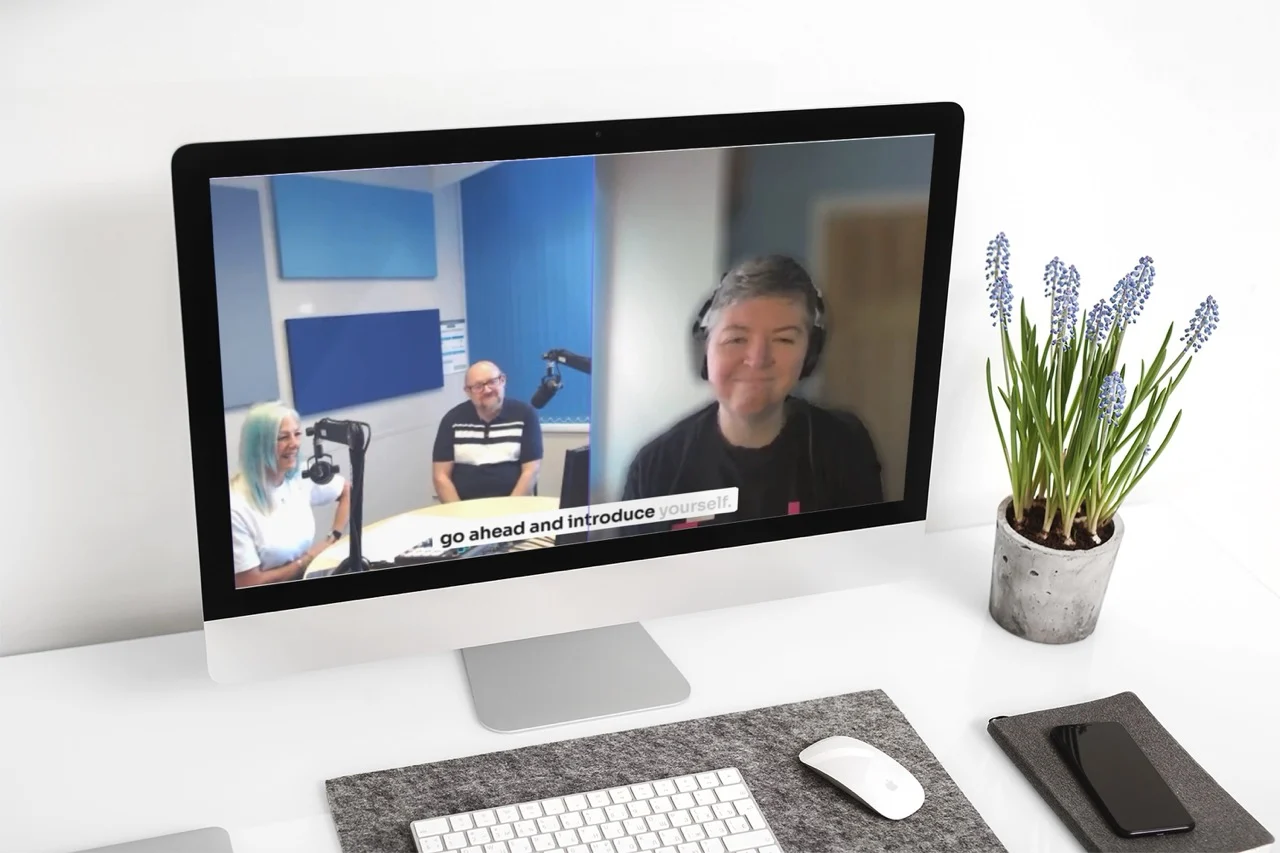
To launch the brand-new Momentum Matters podcast, host and pharmacist TeeJay Dowe brought together three distinct clinical perspectives to dissect this issue. Joined by NHS GP and Stress Coach Dr Milan Mehta and Complex Care Nurse Hollie, they unpack what constant pressure actually does to the body and how it impacts performance and safety on the front line.
Listen to the Launch Episode Now:
🎧 Listen to Momentum Matters Here
Be sure to bookmark this episode and share it with your leadership team during your next management meeting.
The Physiology of Stress: Why Care Teams Can’t “Switch Off”
Stress isn’t just a feeling; it is a physical, neurological response. When a care worker or manager is under constant pressure, the body remains in a perpetual “fight or flight” state.
As Dr Milan Mehta explains, this prolonged stress response floods the system with cortisol and adrenaline. Over time, this makes it incredibly difficult for brain function to settle, leading to chronic exhaustion and an inability to switch off after a shift.
During the episode, the panel explores practical ways to counteract this, including techniques to strengthen the vagus nerve – the body’s natural “brake pedal” for the nervous system. By learning how to settle the stress response, care professionals can access clearer thinking and better sleep, which are vital for maintaining high standards of care.
The Direct Link Between Stress and Medication Errors
One of the most critical takeaways from this clinical cross-examination is the impact of stress on medication safety.
Medicines management requires intense concentration, strict adherence to protocol, and acute attention to detail. However, a stressed brain suffers from impaired working memory and diminished cognitive flexibility. When a nurse or support worker is distracted by a chaotic environment or mental fatigue, the likelihood of a near-miss or a compliance failure rises exponentially.
If your organisation is witnessing a rise in medication errors, the root cause may not be a lack of technical knowledge, it may be a workforce capacity and stress problem.
Spotting the Early Warning Signs in Your Team
As a care leader, you cannot manage what you do not recognise. The episode breaks down the subtle, early signs of stress that present themselves before full burnout sets in. These include:
Moving Beyond Wellbeing Subscriptions to True Workforce Resilience
Many organisations attempt to tackle stress by offering generic mental health apps or “tick-box” wellbeing initiatives. While well-intentioned, these tools rarely address the operational realities of a high-pressure care environment.
At Momentum People, our team, consisting of former nurses, pharmacist, and master NLP practitioner, approaches workforce resilience strategically. We know that clinical competence and emotional resilience are interconnected. If your leaders are burning out, your service quality and compliance are at risk.
Is Your Service Built to Bounce Back?
We don’t just deliver training courses; we act as a strategic partner to health, social care, and education providers. We help you look at the bigger picture, evaluating whether your clinical training, management frameworks, and leadership mindsets are robust enough to withstand systemic industry pressures.
From our specialist Management Training (including Manage Your Time, Team and Tantrums) to our targeted Resilience Training (Bounce-Back-Ability!), we equip leaders with the neurostrategic tools required to sustain a safe, compliant, and healthy workforce.
Let’s evaluate your organisation’s resilience framework.
Book a strategic consultation with our expert team today to review your current training provision, audit your clinical risks, and explore how a long-term partnership with Momentum People can safeguard your team and your service.